Leading 6 Side Effects Of Teeth Lightening And Services

What's New In Lightening Research?
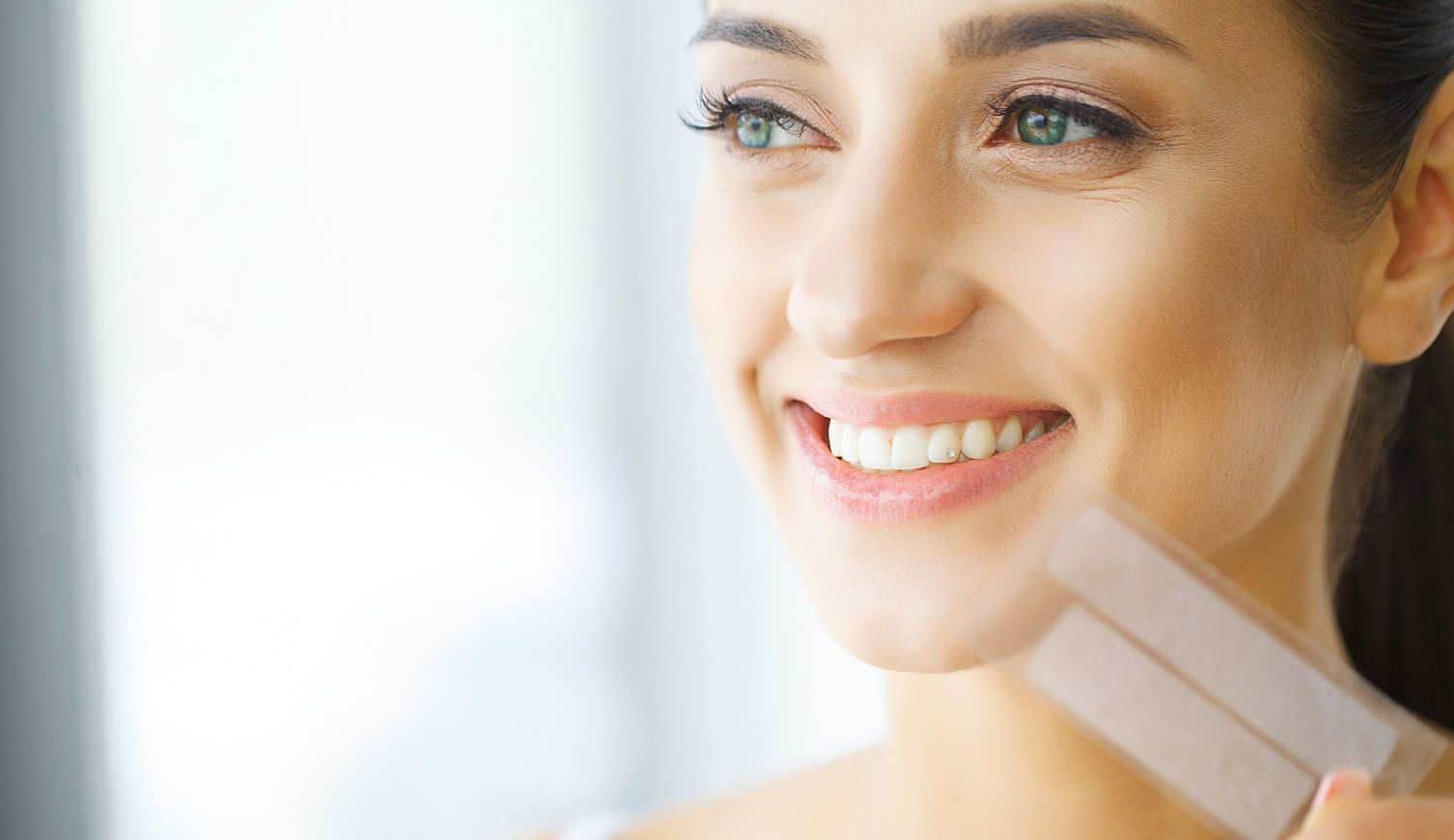
When you whiten your teeth-- whether expertly or with a take-home set-- you're basically applying a peroxide-based solution that raises spots from the enamel. Since the procedure temporarily opens the pores in your teeth, light side effects are common and normally short-lived. With in-office whitening, the bleaching product is used straight to the teeth. You can acquire bleaching strips and gels from your pharmacy, dental expert, or online for around $10 to $55. A common topic for research is to examine the efficacy of the so-called light activation of peroxide-based whitening. The 3 studies assessed over on the persistence of bleaching therapies discovered that light activation had no result on the bleaching.Dentistry
Ultimately, utilizing expertly suggested brands of bleaching treatments under the guidance of a dental professional is the most safe and most effective technique. LED lights have actually come to be the best option in contemporary bleaching treatments. Unlike UV light or halogen lights, LED teeth lightening modern technology produces minimal warm, making it a more secure alternative for people. These blue LED light therapies trigger the whitening representatives in the gel without harming the enamel or soft tissues, making them ideal for both in-office therapies and at-home kits. After a teeth whitening treatment, it's essential to deal with your teeth correctly to preserve their newfound illumination. This generally happens when lightening representatives momentarily penetrate the enamel. Tray-based tooth lightening systems are readily available both properly and OTC. This method includes use of a fitted tray including carbamide peroxide-bleaching gel used for 2 to 4 hours a day or over night. Usually by complying with the maker directions tooth bleaching is obvious in a couple of days, lightening the teeth by 1 or 2 shades. Bleaching may be achieved by physical elimination of the stain or a chemical reaction to lighten the tooth color. Bleaching is specified here as the chemical deterioration of the chromogens. Dental practitioners commonly recommend certain therapies before lightening, if essential, to reduce the threat of level of sensitivity. For example, dental experts might recommend a patient with dental cavities get oral fillings before the whitening treatment. Tooth level of sensitivity is just one of the most typically reported side effects of teeth bleaching. Whitening tooth pastes can lighten the tooth's color by regarding one color. On the other hand, prescription-strength lightening performed in your dental expert's office can make your teeth three to 8 shades lighter.- At-home whiteners have peroxides, generally carbamide peroxide, in quantities ranging from 10% to 20%.
- With time, the outer enamel layer gets thinner with brushing and more of the yellowish dentin reveals with.
- Scheduling your whitening with a qualified dental practitioner is the bestway to get rid of the opportunity of short-term or long-lasting or negative effects.
- The extreme chemicals found in these gels or remedies can add to inflammation and inflammation on the damaged area.
What are the threats of whitening teeth?
Risks generally reported with tooth lightening consist of enhanced tooth sensitivity and mild gingival irritation. The degree of these adverse effects is directly pertaining to the focus of the peroxide bleach element, period of the treatment, and the non-bleach make-up of the item used.